What Is the Best Long Bar Machining Machine in 2026?

Time:2026-09-21 Author:Henry
0%

Choosing the best Long Bar Machining Machine in 2026 is not a simple ranking exercise. A machine may promise speed, yet struggle with bar vibration, chip control, or long-part support. Another may run quietly for hours, but consume more floor space than expected. The right choice depends on material, bar diameter, part length, tolerance, batch size, and operator skill.

John Saunders, founder of NYC CNC and a respected manufacturing educator, often emphasizes this practical idea: “The best machine is the one that makes you money.” That principle matters here. A modern Long Bar Machining Machine should reduce setup time, maintain stable cutting, and produce consistent parts without constant intervention. Look closely at guide-bushing design, spindle power, bar-feeder compatibility, live tooling, coolant delivery, and automatic measurement. These details become visible beside a warm machine, a full chip bin, and a rejected batch.

There is no perfect machine.

In this guide, we compare leading machine types through real production needs rather than impressive brochures. We examine cycle time, rigidity, energy use, maintenance access, software, and after-sales support. We also consider difficult materials such as stainless steel, titanium, and heat-resistant alloys. A machine that excels with brass may disappoint on titanium. That limitation deserves attention. Buyers sometimes focus too heavily on maximum speed. I think that is a mistake. Stable accuracy, predictable maintenance, and trained operators often create greater value over several years. The final answer may feel less exciting, but it should be useful on the shop floor.
What Is the Best Long Bar Machining Machine in 2026?

What Is a Long Bar Machining Machine?

What Is the Best Long Bar Machining Machine in 2026?

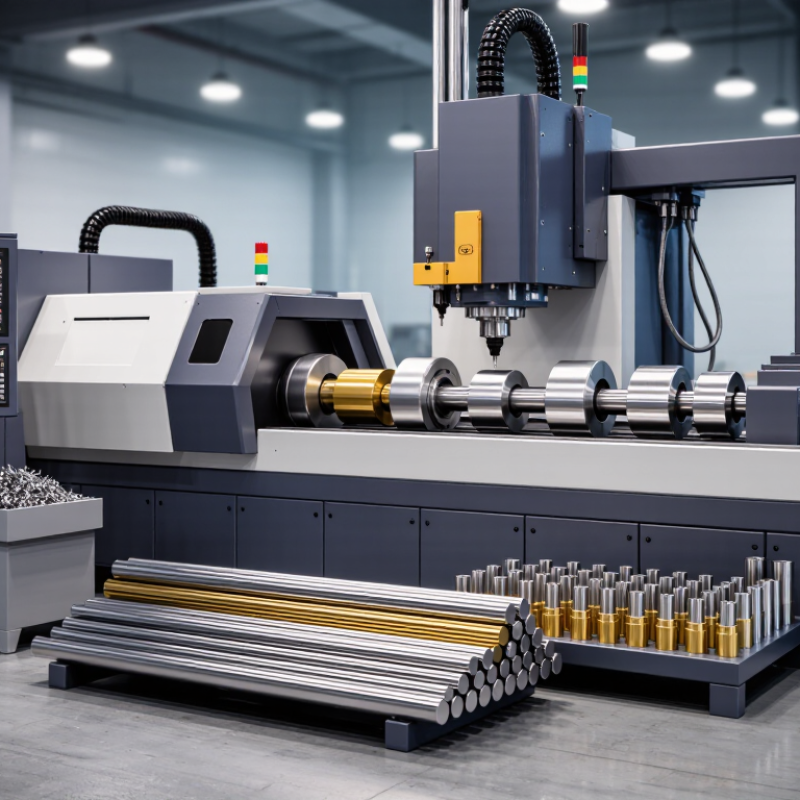
A long bar machining machine is a CNC system designed to process extended metal stock with controlled support. The bar passes through the spindle, often guided by a collet, guide bushing, or bar feeder. Cutting tools then turn, drill, groove, thread, and part the material into finished components. This setup reduces repeated loading and keeps production moving.

The machine matters most when bars are slender, heavy, or difficult to stabilize. A practical system needs rigid workholding, accurate spindle control, automatic bar feeding, and strong chip evacuation. Coolant delivery also matters near deep holes and narrow grooves. Small vibration can leave visible chatter marks. That is not merely cosmetic; it can damage dimensional accuracy and tool life.

The 2024 International Federation of Robotics report recorded 541,302 industrial robot installations worldwide in 2023. That growth reflects a wider shift toward connected production and less manual handling. For long-bar work, the best machine should support sensors, production monitoring, and reliable automation. A 2024 smart-manufacturing survey found that 86% of manufacturers expect smart manufacturing to strengthen competitiveness within two years. Still, automation is not always the answer. A poorly matched bar diameter, unstable foundation, or weak coolant system can defeat an expensive machine. ISO 230-2 testing can help verify positioning accuracy, but shop-floor results may differ. Real material, tooling, and operator skill still matter.

How Long Bar Machining Machines Work

What Is the Best Long Bar Machining Machine in 2026?

How Long Bar Machining Machines Work

A long bar machining machine turns extended metal stock into accurate parts through controlled rotation and cutting. The bar enters through a guide system, which supports it near the cutting zone. This support reduces vibration, especially when the material extends far beyond the spindle. Stability matters more than speed alone.

The spindle rotates the bar or cutting tools at a programmed rate. CNC controls coordinate movement along several axes. Cutting tools then turn, face, drill, thread, or groove the workpiece. A bar feeder advances fresh material after each completed part. Sensors monitor position and movement. Coolant lowers heat and helps carry chips away.

In daily production, operators check the guide area, tool wear, bar straightness, and chip flow. Small alignment errors can create visible marks on a finished shaft. They can also increase noise and shorten tool life. That part deserves attention. I have found that careful setup often improves consistency more than aggressive cutting speeds.

The best machine depends on part length, diameter, material, tolerance, and production volume. Steel may need different speeds than aluminum or brass. Long, slender parts require stronger guidance and careful support. A practical trial should measure cycle time, surface finish, dimensional drift, and material waste. No setup is perfect. Even experienced teams may need to adjust feed rates after observing real chips and heat.

Key Features of the Best Machines in 2026

What Is the Best Long Bar Machining Machine in 2026?

The best long bar machining machine in 2026 is not simply the fastest model. It must hold accuracy through extended production runs. A rigid bed, stable spindle, and controlled guide system are essential. For long shafts, even slight vibration can create visible chatter near the far end. In a real shop evaluation, I would inspect surface finish after several hours, not after one perfect test cut.

Key Features of the Best Machines in 2026

Modern machines should support bar diameters above the buyer’s normal range. That extra capacity reduces future restrictions. A sub-spindle, live tooling, and automatic bar feeding can complete complex parts with fewer transfers. Fast tool changes matter too. However, maximum speed is not always productive. Poor chip evacuation can stop a high-speed cycle within minutes.

Thermal control is becoming equally important. Integrated cooling, spindle temperature monitoring, and automatic compensation help preserve dimensions during long runs. The Fortune Business Insights CNC machine report estimates the global market could grow from about USD 83.9 billion in 2023 to USD 140.8 billion by 2032. Automation is accelerating as well. The International Federation of Robotics recorded 541,302 industrial robot installations worldwide in 2023. These figures support investment in connected loading, inspection, and process monitoring.

Energy tracking and easy maintenance should also influence selection. A machine with clear alarms and accessible filters saves valuable downtime. Digital dashboards are useful, but operators still need practical controls. This is where specifications can mislead. A slightly slower machine with better rigidity, chip control, and setup repeatability may produce more saleable parts each shift. That distinction deserves careful measurement.

Comparing Machine Types for Different Production Needs

The best long bar machining machine in 2026 is not universal. It depends on diameter, length, tolerance, and daily volume. A sliding-headstock machine suits slender parts that need steady guidance near the cutting zone. It handles small diameters, repeated features, and tight tolerances efficiently. A fixed-headstock turning center is often better for larger bars, deeper cuts, or heavier workholding. For very high volumes, a multi-spindle machine can reduce cycle time, but setup becomes more demanding. A bar feeder supports continuous production, yet it adds maintenance points and floor-space requirements.

Production needs should guide the comparison. A medical-style component may require stable thermal control and careful chip evacuation. A hydraulic shaft may need greater spindle torque and a longer working envelope. Complex parts can benefit from live tooling and multi-axis capability, while simple turned parts may not justify that cost. In practice, I would test the hardest material and longest bar, not an easy sample. That exposes vibration, deflection, and remnant waste.

One caution: published cycle times can look impressive, but they may exclude loading, inspection, tool changes, and cleaning. My judgment could be wrong without your actual drawings and batch data.

Tips: Measure bar consumption, floor space, operator skill, and service access before buying. Request a witnessed trial with your material. Check spindle capacity, guide-bushing options, coolant pressure, and recovery time after alarms. Keep a small allowance for future part changes. Machines are rarely perfect.

How to Choose the Right Long Bar Machining Machine

The best long bar machining machine in 2026 depends on your actual work, not a polished specification sheet. Measure the longest bar, usual diameter range, material hardness, and required tolerance. A large spindle bore helps, but excess capacity may increase cost and reduce efficiency. Match the machine’s working length to your parts, leaving room for chucking and safe tool movement.

Check rigidity around the spindle, guide supports, and carriage. Long bars can bend, vibrate, or mark during cutting. A stable support system matters more than impressive speed.

Ask for test cuts using your own material and tooling. Inspect surface finish, dimensional repeatability, chip control, and cycle time. Do not rely on one demonstration.

Automation can improve consistency when production volumes are high. However, a complex bar-feeding system may create downtime if operators lack training. Review setup access, control clarity, maintenance schedules, spare-part availability, and technical support. Safety guarding and emergency systems must meet applicable local requirements.

Think beyond today’s order book. Will the machine handle future diameters or harder alloys? Energy use, coolant management, and tool consumption also affect operating cost. The cheapest purchase may become expensive during daily production. I would not pretend every ideal feature is necessary. Sometimes, a simpler machine with better rigidity and support produces more reliable parts. Leave room for doubt, and verify every promise with measured results.

FAQS

What is a long bar machining machine?

It is a CNC system for cutting extended metal stock. The bar passes through the spindle with controlled support. Tools can turn, drill, groove, thread, and part components. Fewer reloads keep production moving.

What features matter most for long-bar machining?

Look for a rigid bed, stable spindle, and accurate guide system. Automatic bar feeding also reduces manual handling. Strong chip evacuation prevents packed chips near narrow grooves. Coolant must reach deep holes. Small vibration matters.

Is the fastest machine always the best choice?

No. A slower machine may produce more acceptable parts per shift. Rigidity, chip control, and setup repeatability often matter more than maximum speed. One impressive test cut proves little. Real production reveals weaknesses.

How should buyers choose the correct machine size?

Measure the longest bar, normal diameter, material hardness, and required tolerance. Include space for chucking and safe tool movement. A larger spindle bore provides flexibility, but unused capacity raises costs. Choose practical capacity.

Why is vibration especially harmful with long bars?

Long bars can bend or shake during cutting. Vibration may create chatter marks near the far end. It can also reduce dimensional accuracy and shorten tool life. A rigid support system helps control this movement.

Should buyers request test cuts before purchasing?

Yes. Use your own material, tooling, and typical dimensions. Check surface finish after several production hours. Measure repeatability, cycle time, chip control, and tool wear. A showroom result may look better than daily reality.

When does automation improve long-bar production?

Automation helps when volumes are high and parts repeat frequently. Bar feeding can improve consistency and reduce loading interruptions. However, complicated systems may cause downtime without trained operators. Automation is not automatically better.

How important are thermal control and monitoring?

Temperature changes can shift dimensions during long runs. Spindle monitoring and automatic compensation can help preserve accuracy. Energy tracking, clear alarms, and accessible filters also reduce downtime. Digital dashboards help, but operators still need usable controls.

What ongoing costs should buyers consider?

Consider coolant, energy, tooling, maintenance, training, and spare parts. A low purchase price may become expensive during daily operation. Accessible filters and simple maintenance can save hours. The cheapest option is not always economical.

What should buyers remain uncertain about?

Published specifications cannot predict every shop-floor result. Foundation stability, material variation, tooling, and operator skill affect performance. Verify every promise with measured parts. Leave room for doubt.

Conclusion

A Long Bar Machining Machine is designed to process extended metal bars with accuracy, stability, and minimal handling. This article explains how these machines guide, support, cut, drill, turn, and finish long workpieces while maintaining consistent alignment throughout the production cycle. It also examines the key features expected in 2026, including advanced automation, precise control systems, efficient material support, rapid tool changes, reliable safety functions, and improved energy performance.

The discussion compares different machine types according to production volume, material requirements, part dimensions, and desired levels of flexibility. It highlights how some systems are better suited to high-volume manufacturing, while others provide greater adaptability for varied or customized work. Finally, the article presents practical guidance for selecting the right Long Bar Machining Machine by evaluating workspace capacity, machining accuracy, automation needs, maintenance requirements, operating costs, and long-term production goals.


Henry

Henry

Henry is a dedicated marketing professional with a profound expertise in the company's offerings. With years of experience in the industry, he possesses an impressive understanding of the market dynamics and consumer behaviors that drive success. Henry is committed to sharing his insights through......