How to Choose the Best Lathe Machine for Your Needs?

Time:2026-05-19 Author:Mason
0%

Choosing the right Lathe Machine can significantly impact your machining projects. The global lathe machine market is projected to grow at a CAGR of 5.1% by 2026, according to a report by Research and Markets. These machines are crucial in various industries, from manufacturing to aerospace. The importance of selecting the best lathe is highlighted by expert John Smith, who states, “A well-chosen lathe can enhance efficiency and precision in production.”

When assessing your needs, consider several factors. The size, functionality, and type of lathe machine matter greatly. For instance, CNC lathes offer automation that can boost productivity. However, traditional lathes provide hands-on control, which can be more suitable for intricate designs. According to a survey by IndustryWeek, 74% of manufacturers reported improved operations after investing in the right equipment.

Each business has unique requirements. Missteps in choosing a lathe machine can lead to wasted resources and time. It's essential to reflect on how the selected machine aligns with your project goals. Doing thorough research can prevent costly mistakes and enhance your machining capabilities.
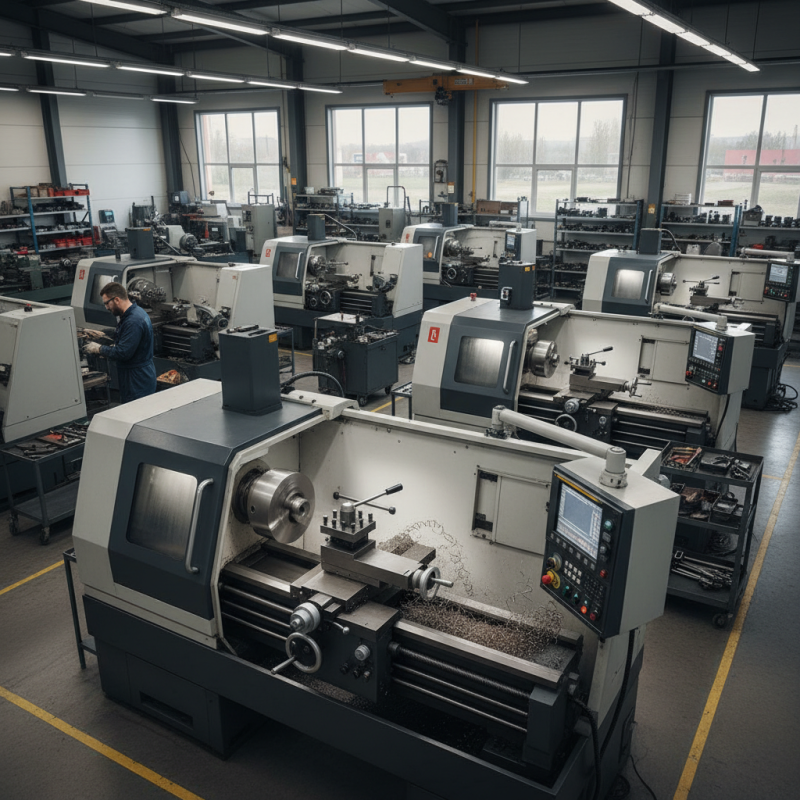
How to Choose the Best Lathe Machine for Your Needs?

Understanding Different Types of Lathe Machines Available

When selecting a lathe machine, understanding the types available is crucial. Lathes can be broadly categorized into traditional and CNC models. Traditional lathes require manual operation, making them ideal for simple tasks. CNC lathes, which are computer-controlled, increase precision and efficiency. According to a recent industry report by MarketsandMarkets, the CNC machine market is expected to grow by over 6% annually. This shift indicates a rising preference for advanced technology in machining.

For hobbyists or small businesses, mini and benchtop lathes offer excellent solutions. These machines are compact and often more affordable, but they may lack the power for larger jobs. Consider your workspace and the size of projects you'll undertake. If precision is a priority, investing in a CNC lathe could enhance your productivity.

Tip: Determine your main projects before purchasing. This analysis helps in selecting a lathe that meets your specific requirements.

Remember to evaluate specifications like spindle speed and weight. These factors heavily influence performance. A lathe’s motor power directly affects its capability for more demanding tasks. Reflect on your future needs to ensure the machine supports your growth.

Key Factors to Consider When Selecting a Lathe Machine

Choosing the best lathe machine involves careful consideration of several key factors. One major aspect is the machine type. There are various lathe types, such as wood and metal lathes. Each type serves different purposes. Understanding your material needs is crucial. For example, a wood lathe typically allows for greater flexibility with soft materials, while a metal lathe offers precision for harder metals.

Another vital factor is size and power. The lathe's size should match your workspace and project dimensions. A compact lathe is vital for small spaces, but it may limit your capabilities. Additionally, power requirements can impact your projects. A higher horsepower machine allows for smoother operation with tough materials, but it may lead to increased energy costs.

Customization options also matter. Some lathes come with features that cater to specific tasks. Look for adjustable speed settings or additional attachments. These features can greatly enhance your versatility. However, consider the learning curve; advanced features may require time to master. Weighing these elements carefully can lead to informed choices when selecting a lathe machine.

Assessing Your Budget and Investment for a Lathe Machine

When considering the purchase of a lathe machine, assessing your budget is crucial. Data suggests that the average price of a lathe can range from $1,000 to over $20,000. Understanding what features you need will help you decide where to fall in this range. A basic model could suffice for simple tasks, while advanced functionalities may justify a higher price.

In many cases, buyers underestimate total costs. This includes maintenance, tooling, and space requirements. According to industry reports, businesses should allocate an additional 15-20% of the initial purchase price for setup and tooling. This extra investment ensures your lathe performs optimally and meets production expectations.

Consider long-term benefits versus initial cost. Cheaper machines can lead to greater costs in repairs or lower productivity. Evaluating different financing options can also prove beneficial. Manufacturers recommend a detailed cost-benefit analysis to avoid making a decision based solely on price. Balancing immediate affordability with potential ROI can be challenging but vital. Always reflect on your specific needs and projected workload.

Lathe Machine Investment Analysis

Evaluating the Manufacturer's Reputation and Warranty Options

When choosing a lathe machine, manufacturer reputation is crucial. A reliable brand often indicates quality. Researching customer feedback helps gauge satisfaction. Look for reviews on various platforms. Solid recommendations from experts also matter. A good reputation minimizes potential issues.

Warranty options reveal a manufacturer's confidence. A lengthy warranty suggests a commitment to durability. Check what the warranty covers. Some may only include parts, while others cover labor too. Read the fine print. Understand all terms to avoid surprises later.

Tip: Consider asking for recommendations from experienced users. Their insights can highlight important factors. Don't rush; take time to evaluate different manufacturers. Make a confident choice based on thorough research. Always remember that a good lathe is an investment in your craft.

How to Choose the Best Lathe Machine for Your Needs?

Feature Criteria Importance (1-5) Remarks
Spindle Speed Range Adjustable speeds for different materials 5 Higher range allows for more versatility
Swing Over Bed Maximum diameter of workpiece 4 Crucial for larger projects
Bed Length Length of the lathe bed for longer projects 3 Important for workpiece length
Manufacturer Reputation Reviews and history of reliability 5 Critical for long-term satisfaction
Warranty Options Duration and coverage details 4 Provides peace of mind for future repairs
Power Rating Wattage that indicates motor strength 4 More power allows for tougher materials

Reviewing Accessories and Add-Ons for Enhanced Lathe Functionality

Choosing the right accessories for your lathe machine can significantly enhance its functionality. Numerous industry reports indicate that the addition of quality tools can improve productivity by up to 30%. Essential accessories include tool holders, chucks, and steady rests. Each accessory plays a critical role in achieving precision in machining processes.

Tool holders, for instance, provide stability and accuracy during operation. High-quality tool holders can maintain a runout of less than 0.0005 inches. However, many beginners overlook the importance of selecting the right type, often leading to inefficiencies. Chucks are equally important, as they secure the material for turning. A well-matched chuck can reduce setup time and improve accuracy.

While adding accessories is beneficial, it's crucial to reflect on your specific needs. Not every accessory enhances performance for every type of project. A busy shop might benefit from quick-change tool systems, while a hobbyist may not require complex setups. Taking the time to evaluate your requirements can lead to better decisions. In the end, the best lathe machine setup combines quality tools and thoughtful accessory choices that align with your projects.

FAQS

: How much should I budget for a lathe machine?

: Prices vary widely, ranging from $1,000 to over $20,000. Assess your needs carefully.

What additional costs should I consider?

Remember to factor in maintenance, tooling, and space. An extra 15-20% is recommended for setup costs.

Are cheaper machines a good investment?

Cheaper options can lead to costly repairs. Evaluate long-term benefits versus initial costs for better decisions.

How important is manufacturer reputation?

A reliable manufacturer often ensures better quality. Research customer reviews and expert recommendations thoroughly.

What should I look for in warranty options?

Review what the warranty covers. Lengthy warranties usually indicate confidence in product durability.

Why are accessories important for lathe machines?

Quality accessories can boost productivity significantly. Choose wisely to enhance performance and achieve precision.

What accessories should I prioritize?

Essential accessories include tool holders and chucks. Each plays a key role in stability and accuracy during machining.

How can I determine the right accessories for my lathe?

Reflect on your specific projects. Not every accessory benefits every user, so evaluate your needs before purchase.

Is it worth investing in advanced functionalities?

Advanced features can justify higher prices if they meet production needs. Assess your workload carefully before deciding.

What is a common mistake beginners make?

Many beginners overlook the importance of tool holders. Choosing the right type is crucial for efficiency and accuracy.

Conclusion

When choosing the best lathe machine for your needs, it is essential to understand the different types available, as each serves distinct purposes and capabilities. Factors such as size, power, and precision should be carefully considered based on your specific projects and materials.

Budget plays a crucial role as well, so it is important to assess your financial limits and the potential return on investment. Additionally, researching the manufacturer's reputation and warranty options can provide peace of mind regarding the quality and durability of the lathe machine. Lastly, reviewing available accessories and add-ons can significantly enhance the functionality of your lathe machine, allowing for greater versatility in your woodworking or metalworking tasks.


Mason

Mason

Mason is a seasoned marketing professional with a deep expertise in the company's offerings and a passion for driving brand awareness. With a strong background in digital marketing strategies, he has an innate ability to connect with diverse audiences and effectively communicate product benefits.......