Top CNC Metal Cutting Machines for Sale Worldwide?

Time:2026-09-16 Author:Madeline
0%

Finding the top CNC metal cutting machines for sale worldwide requires more than comparing prices. A suitable Cnc Metal Cutting Machine must match the material, thickness, production volume, and available workspace. Laser, plasma, waterjet, and fiber cutting systems each serve different manufacturing conditions. The right choice depends on practical requirements, not attractive brochures.

This guide evaluates cutting accuracy, machine strength, operating speed, software compatibility, maintenance access, and after-sales support. It also considers power consumption, spare-part availability, operator training, and regional service coverage. A machine producing clean edges on 10-millimeter steel may perform differently with aluminum or reflective materials. Small details matter. Table size, motion stability, and torch or laser alignment can influence daily results.

Real workshop experience shows that the cheapest machine is rarely the lowest-cost solution. Downtime, inconsistent cuts, and difficult maintenance can quickly increase ownership expenses. No machine is perfect. A supplier’s sample-cut video may not represent continuous factory production, so buyers should request independent specifications and test results. Safety systems, electrical standards, installation requirements, and local regulations also deserve careful review. Reliable manufacturers explain these limitations clearly. They do not promise impossible tolerances or unlimited productivity.

The following overview highlights respected machine categories and important purchasing considerations for buyers worldwide. It aims to support informed decisions through measurable details, practical comparisons, and realistic expectations. A careful buyer should still inspect the machine personally whenever possible. That step can prevent expensive surprises.
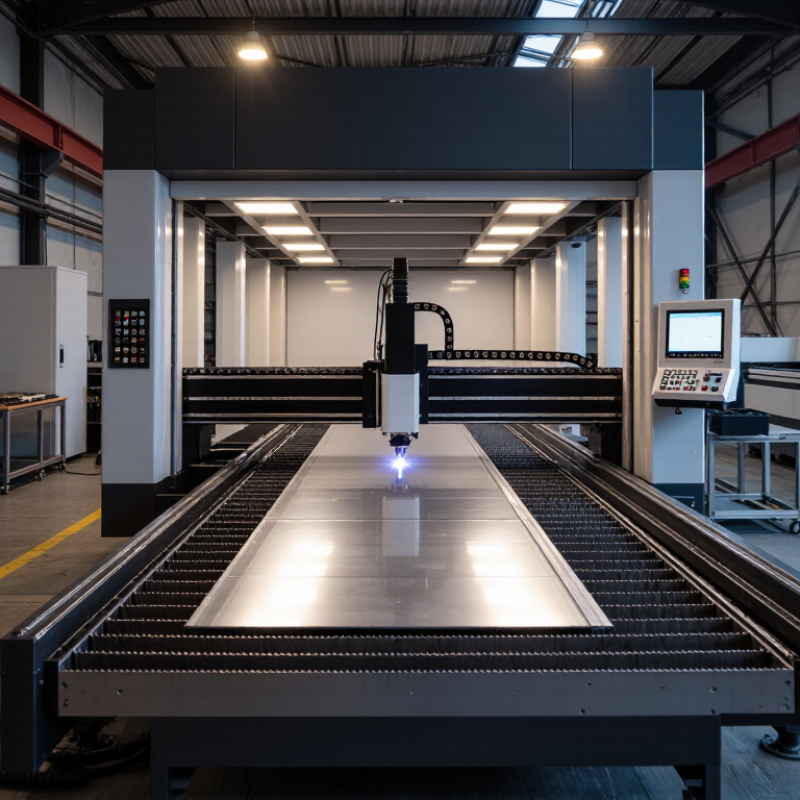
Top CNC Metal Cutting Machines for Sale Worldwide?

Types of CNC Metal Cutting Machines Available Worldwide

Top CNC Metal Cutting Machines for Sale Worldwide?

Types of CNC Metal Cutting Machines Available Worldwide

Worldwide buyers can choose from several CNC metal cutting machine types. Each one suits different materials, thicknesses, and production targets. Selection depends on cut quality, operating cost, maintenance access, and local power conditions.

CNC laser cutters produce narrow, accurate cuts on mild steel, stainless steel, and aluminum. They work well for detailed parts and repeated sheet production. Plasma cutters handle thicker conductive metals at a lower entry cost. However, their edges may need more finishing. Waterjet machines cut metal without creating a heat-affected zone. They are useful for heat-sensitive alloys, stone, and layered materials. Oxy-fuel CNC systems remain practical for very thick carbon steel plates. CNC band saws offer dependable cutting for bars, tubes, and structural sections. Milling and turning centers remove metal through rotating tools, making them suitable for complex components.

In practical evaluations, buyers should inspect sample cuts before ordering equipment. A thicker plate does not automatically require the most powerful machine. That assumption is too simple. Cutting speed, kerf width, tolerance, and consumable life can change the real cost. Ask for documented test results and operator training details. Confirm service coverage, spare-part availability, software compatibility, and safety certifications for the destination country. A machine can look impressive in a catalog, yet perform poorly when ventilation, material quality, or workshop skills are limited. Proper installation matters more than many sales pages admit.

Key Features to Compare Before Buying a CNC Metal Cutting Machine

When comparing top CNC metal cutting machines for sale worldwide, start with the workpiece, not the advertised price. Measure its maximum length, diameter, weight, and material hardness. A compact machine may cut aluminum quickly but struggle with stainless steel. Check spindle power, torque at low speed, maximum rpm, and tool capacity. These details affect both cutting stability and surface finish.

Accuracy deserves careful testing. Ask for positioning accuracy and repeatability data under ISO 230-2 conditions. Thermal compensation also matters during long production runs. In practical shop trials, a machine can produce accurate parts in the morning and drift after hours of heat buildup. That weakness is easy to overlook. The control system should support tool-life monitoring, offline programming, and clear alarm records. Short training time reduces costly setup errors.

The market is expanding. Fortune Business Insights valued the global CNC machine market at about USD 88.05 billion in 2023 and projects strong growth through 2030. Automation is also influencing purchasing decisions; the International Federation of Robotics reported 541,302 industrial robots installed worldwide in 2023. Therefore, check robot communication, bar-feeder compatibility, chip evacuation, coolant filtration, and energy use. Service response time matters more than glossy specifications. Compare warranty coverage, spare-part availability, installation support, and local technician access. I would also calculate cost per finished part, not only the machine’s purchase price.

How to Choose the Right CNC Machine for Different Metals

Choosing a CNC machine for metal cutting starts with the material, not the advertised spindle speed. Aluminum cuts quickly and benefits from high rpm, sharp tools, and efficient chip removal. Steel usually needs stronger frames, higher torque, and controlled coolant flow. Stainless steel demands patience because excess heat can harden the surface. Titanium is less forgiving. It needs rigid fixturing, slower cutting speeds, and constant attention to tool wear.

Check the machine’s real working envelope against your largest planned part. A compact machine may handle brackets well but struggle with a long shaft. Review spindle torque at lower speeds, table load capacity, axis accuracy, and coolant filtration. For production work, automatic tool changing and reliable chip evacuation can save hours each week. Ask about electrical requirements, operator training, spare parts, and local service support before buying worldwide.

I once focused too heavily on rapid traverse speed. That was a poor decision. Cutting stability mattered more for stainless components. Test cuts reveal problems that brochures often hide. Request samples using your actual alloy, thickness, tooling, and tolerances. Inspect burrs, surface finish, dimensional drift, and cycle time. Also consider future materials. A machine optimized only for aluminum may become expensive when steel orders arrive. Safety guarding, emergency controls, and documented compliance should be verified before installation. Lightweight frames can look attractive, but vibration leaves visible marks on finished parts.

Global Pricing, Suppliers, and Purchasing Considerations

Pricing varies by cutting power, bed size, automation, and included tooling. A compact fiber laser may suit thin sheet work, while heavier systems cost more for thicker plate. Compare landed cost, not only the quoted machine price. Freight, insurance, installation, training, spare parts, and import duties can change the final figure significantly. Currency movement adds another variable. Get a written quotation with validity dates.

Reliable suppliers should provide test cuts, technical drawings, maintenance schedules, and clear warranty terms. Ask how quickly they can supply consumables such as nozzles, lenses, or cutting inserts. A supplier with documented service procedures is often safer than one offering the lowest price. Verify electrical standards, software compatibility, safety guarding, and operator training before payment. I have seen buyers focus on cutting speed and overlook extraction requirements. That mistake becomes expensive.

Tips: Send suppliers your material types, thickness range, hourly workload, tolerance requirements, and target delivery location. Request sample cuts using your own metal. Check kerf width, edge quality, heat distortion, and cycle time. Leave room for uncertainty. Your first production estimate may be too optimistic, especially when operators are still learning. Compare at least three detailed offers, then inspect references from businesses with similar workloads.

Top CNC Metal Cutting Machines for Sale Worldwide

Indicative global price ranges for new CNC metal-cutting equipment. Actual purchasing costs vary by working size, laser or spindle power, automation, installation, shipping, duties, and after-sales service.

Typical new-machine listing ranges shown in USD: CNC plasma tables are generally the lowest-cost option, while fiber laser, waterjet, and highly automated machining systems require substantially higher capital investment. Buyers should compare total landed cost, cutting capacity, consumables, maintenance requirements, warranty coverage, and local technical support.

Safety, Maintenance, and Long-Term Operating Costs

When comparing CNC metal cutting machines for sale worldwide, safety should be checked before cutting speed. Inspect the enclosure, door interlocks, emergency stops, and chip protection. A safe machine keeps sparks, sharp swarf, and coolant away from operators. Proper extraction matters too, especially when cutting coated or oily metals.

Maintenance records reveal more than polished sales photographs. Check spindle noise, guideway movement, coolant flow, lubrication points, and electrical cabinets. A practical inspection should include a test cut using ordinary material. Watch for vibration, uneven edges, heat, or unexpected alarms. Small faults often become expensive downtime. Keep filters, nozzles, seals, and cutting tools available before production begins. Do not ignore operator training; one rushed setup can damage tooling or compromise safety.

Long-term operating cost includes electricity, consumables, coolant treatment, software support, calibration, and technician visits. An efficient machine may cost more initially but waste less material and reduce unplanned stoppages. Ask how quickly replacement parts can be obtained in your region. That detail is easy to overlook. I have seen buyers focus on purchase price, then struggle with maintenance labor and idle production. My own assessment would not be perfect, because usage patterns vary by workshop. Still, a clear service schedule, inspection log, and realistic workload estimate make ownership costs easier to judge.

Top CNC Metal Cutting Machines for Sale Worldwide? - Safety, Maintenance, and Long-Term Operating Costs

Machine type Typical cutting range Common materials Typical purchase price
(USD)
Energy and consumables Estimated annual maintenance
(% of purchase price)
Safety priorities Expected service life Estimated 5-year operating cost
(excluding labor and facility costs)
CNC fiber laser Thin sheet to approximately 25–30 mm, depending on power and material Mild steel, stainless steel, aluminum, brass $80,000–$350,000 Electricity, assist gas, lenses, protective windows, nozzles, filters 3%–8% Enclosed beam path, interlocks, laser-rated viewing window, fume extraction, fire prevention 10–15 years with scheduled service $110,000–$430,000
CNC plasma table Approximately 1–50 mm, depending on plasma system and steel grade Mild steel, stainless steel, aluminum $25,000–$150,000 Electricity, compressed air or gases, electrodes, nozzles, shields 4%–10% Arc-eye protection, fume extraction or water table, hot-work controls, noise protection 8–12 years with proper table and torch maintenance $45,000–$220,000
CNC oxy-fuel table Approximately 6–150 mm for carbon steel, subject to torch configuration Primarily mild and low-alloy steel $20,000–$100,000 Oxygen, fuel gas, cutting tips, hoses, regulators, ignition components 3%–8% Gas-cylinder storage, leak testing, flashback arrestors, hot-work permits, fire watch 10–15 years with sound mechanical maintenance $38,000–$155,000
CNC abrasive waterjet Approximately 1–150 mm or more, depending on pump, nozzle and material Steel, stainless steel, aluminum, stone, glass, composites $100,000–$350,000 Electricity, water, abrasive garnet, pump seals, orifices, mixing tubes, filters 8%–15% High-pressure guarding, splash control, abrasive handling, pump lockout, water treatment 10–15 years; high-pressure components require regular replacement $170,000–$520,000
CNC metal bandsaw Bars, tubes and profiles; commonly up to approximately 300–600 mm capacity Carbon steel, stainless steel, aluminum and structural sections $15,000–$90,000 Electricity, bi-metal or carbide blades, coolant, hydraulics and filters 3%–7% Blade guarding, workpiece clamping, chip control, coolant hygiene, lockout procedures 10–15 years with correct blade selection and alignment $28,000–$125,000
CNC milling machine Precision cutting and machining of billets, plates and finished components Aluminum, steel, stainless steel, titanium and engineering alloys $60,000–$500,000+ Electricity, cutting tools, coolant, filtration, lubricants and spindle service 4%–10% Full enclosure, chip protection, tool safety, coolant management, emergency stop and lockout 12–20 years when guides, spindle and coolant systems are maintained $95,000–$650,000+
Cost and selection notes: The figures are broad worldwide planning ranges for new industrial equipment and vary by working area, power, automation, regional labor rates, taxes, freight, installation, utilities and duty cycle. Five-year operating-cost estimates include routine maintenance, typical consumables and utility-related expenses, but exclude material, labor, financing, depreciation, building modifications and production downtime. Actual safety requirements must be verified against applicable local regulations, risk assessments and the machine supplier’s documentation.

FAQS

What types of CNC metal cutting machines are available worldwide?

Laser cutters create narrow, accurate cuts in steel and aluminum sheets. Plasma cutters handle thicker conductive metals at a lower entry cost. Waterjet machines avoid heat damage. Oxy-fuel systems suit very thick carbon steel plates. Band saws cut bars, tubes, and structural sections. Milling and turning centers produce complex components.

Which CNC machine is best for thin metal sheets?

Laser cutters usually suit thin sheets and detailed repeated parts. They can produce clean edges with narrow kerfs. Material type still matters. Stainless steel may require careful heat control. Always inspect sample cuts before ordering.

Which machine can cut thick metal plates?

Plasma cutters handle thick conductive metals effectively. Oxy-fuel systems remain practical for very thick carbon steel. Their cutting speed and edge quality can differ. Some edges may need grinding afterward. Thickness alone does not decide everything.

How should buyers compare CNC machine accuracy?

Ask for positioning accuracy and repeatability data. Testing under ISO 230-2 conditions can improve comparison. Check thermal compensation during long production runs. Heat buildup may cause dimensional drift by afternoon. Morning accuracy is not enough.

What should buyers check before purchasing a CNC machine?

Measure your largest part’s length, diameter, weight, and hardness. Check the working envelope and table load capacity. Review spindle torque, speed range, tool capacity, and axis accuracy. Also confirm power requirements and software compatibility. A glossy catalog can hide workshop problems.

How do different metals affect CNC machine selection?

Aluminum benefits from high rpm, sharp tools, and quick chip removal. Steel needs a rigid frame, strong torque, and controlled coolant. Stainless steel needs slower cutting and careful heat management. Titanium demands rigid fixturing and close tool-wear monitoring. It is less forgiving.

What tests should buyers request from a machine supplier?

Request test cuts using your actual alloy and thickness. Use the intended tooling and required tolerances. Inspect burrs, surface finish, cycle time, and dimensional drift. Ask for documented results and operator training details. Test cuts reveal hidden weaknesses.

How can buyers calculate the real cost of a CNC machine?

Include consumables, maintenance, energy use, tooling, and operator training. Calculate the cost per finished part. Do not rely only on the purchase price. Service delays can quietly increase production costs. I once ignored this. It was costly.

Why are installation and local service important?

Proper installation affects accuracy, safety, ventilation, and machine stability. Confirm spare-part availability and technician access in your region. Check warranty coverage and service response times. Review electrical conditions before delivery. A powerful machine may struggle in an unsuitable workshop.

What safety features should a CNC metal cutting machine include?

Verify safety guarding and accessible emergency controls. Check documented compliance for the destination country. Confirm coolant filtration and chip evacuation arrangements. Train operators before production begins. Small setup mistakes can create large problems.

Conclusion

Choosing the right Cnc Metal Cutting Machine requires understanding the different options available worldwide, including laser, plasma, waterjet, and CNC milling systems. Each machine offers unique advantages in cutting speed, precision, material thickness, energy use, and compatibility with metals such as steel, aluminum, copper, and stainless steel. Buyers should compare power, working area, automation, software functions, cutting accuracy, and ease of operation before making a decision. Matching the machine’s capabilities with the intended metal type, production volume, and required finish is essential for efficient results.

Global pricing depends on machine configuration, supplier location, shipping, installation, training, and after-sales support. Buyers should evaluate suppliers carefully, request clear specifications, confirm warranty terms, and calculate the total cost of ownership rather than focusing only on the initial price. Safety features, routine maintenance, replacement parts, operator training, and energy consumption also influence long-term operating expenses. A well-planned purchase can improve productivity, reduce downtime, and provide reliable metal-cutting performance for many years.


Madeline

Madeline

Madeline is a dedicated marketing professional with a wealth of expertise in our company's core offerings. With a keen understanding of the industry, she brings a unique perspective to her role, consistently delivering high-quality content that highlights the superior aspects of our products. As......